

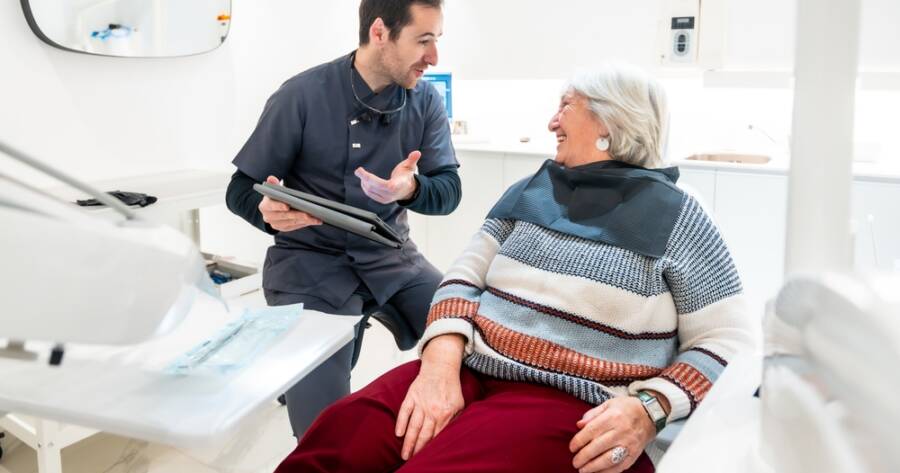
Dental care becomes more critical with age, yet many seniors face real barriers when trying to find and afford the services they need. Knowing where to look — and what coverage options exist — can make a meaningful difference in both oral health and overall well-being.
Why Seniors Face Unique Dental Challenges
As people grow older, their oral health needs tend to become more complex. Issues like gum disease, dry mouth from medications, tooth loss, and worn enamel are common among older adults. At the same time, many seniors live on fixed incomes, making the cost of regular dental visits a significant concern. The challenge is compounded by a widespread coverage gap in government health programs, leaving many older adults uncertain about where to turn for affordable care.
Understanding what Medicare does — and does not — cover is often the first step in planning for dental expenses. Routine procedures such as cleanings, fillings, and dentures generally fall outside of what standard Medicare covers (source). This reality surprises many seniors who assume that their federal health coverage extends to basic dental work. Being aware of this gap early on allows for better financial planning and a more proactive search for alternatives.
What Medicare Actually Covers for Dental Care
Original Medicare, which includes Part A and Part B, does not pay for routine dental cleanings, fillings, or dentures (source). There are limited exceptions, however. Medicare Part A may cover certain dental services for patients who are admitted to a hospital when their dental procedure is medically necessary due to an underlying condition or the complexity of the treatment (source). Additionally, an oral exam or dental treatment may be covered before a patient undergoes a heart valve replacement or a bone marrow, organ, or kidney transplant (source).
For the relatively few dental services that do qualify under Part B, the patient typically pays 20% of the Medicare-approved amount after satisfying the Part B deductible (source). These exceptions are narrow, which is why many seniors find themselves exploring supplemental or alternative coverage options.
Medicare Advantage as a Dental Coverage Option
Medicare Advantage plans, sometimes called Part C, are offered through private insurance companies and often include dental benefits that original Medicare does not provide. These plans can cover services such as annual exams, cleanings, X-rays, and even more involved procedures like fillings and crowns (source). Seniors who are approaching Medicare enrollment or who are considering switching plans should compare available Medicare Advantage options in their area, as coverage and annual benefit limits vary widely by plan and location.
For those already enrolled in Medicare Advantage, reviewing the dental portion of the plan each year during open enrollment is a practical way to ensure the coverage still meets current needs. Dental requirements shift as people age, and a plan that was sufficient a few years ago may no longer be adequate.
Nonprofit and Community Programs for Affordable Dental Care
Beyond insurance, a range of nonprofit and community-based programs exists specifically to help seniors access dental services at little or no cost. The Dental Lifeline Network, which is operated through the American Dental Association, connects older adults and individuals with disabilities to volunteer dentists who provide comprehensive dental treatment at no charge (source). Adults aged 65 and older, those with permanent disabilities, or those managing a chronic serious illness may qualify for this program (source).
Community Health Centers represent another valuable resource. These federally supported facilities offer dental care to patients regardless of their ability to pay, with fees structured on a sliding scale based on household income (source). Seniors with limited financial resources often find that a Community Health Center can provide necessary dental work at a fraction of the cost charged by private practices.
Dental Schools and Membership Savings Plans
Dental school clinics are a well-established way to receive quality care at reduced prices. Students in accredited dental programs perform procedures under the supervision of licensed dentists, and many clinics charge only for the materials and equipment used during treatment (source). While appointments at dental schools may take longer than at a private office, the care provided is held to professional standards and the cost savings can be substantial.
Some private dental practices also offer in-house membership savings plans as an alternative to traditional insurance. These plans typically charge a fixed annual fee that covers specific services such as cleanings and exams, while other treatments are offered at a discounted rate (source). For seniors who do not qualify for public programs but still find dental insurance premiums too costly, a membership plan at a local dental office can offer a practical middle ground.
Federally Qualified Health Centers
Federally Qualified Health Centers, commonly known as FQHCs, are another avenue worth exploring. These centers are designed to serve patients across income levels, and dental care is among the services they provide (source). Fees are calculated using a sliding scale tied to income, which makes them particularly accessible for seniors on limited budgets. FQHCs operate in communities across the country, including rural and underserved areas where private dental offices may be scarce.
Locating a nearby FQHC is straightforward through federal health resources, and many centers welcome patients without requiring a referral. Seniors who have been putting off dental care due to cost concerns may find that an FQHC visit is a realistic and affordable starting point for addressing long-standing dental issues.
Why Seniors Should Learn More About Finding Dental Care Today
Oral health has a direct connection to overall physical health, making consistent dental care especially important for older adults. The gap left by original Medicare does not have to mean going without treatment. Between Medicare Advantage plans, nonprofit programs like the Dental Lifeline Network, community health centers, dental school clinics, and federally qualified health centers, seniors have a meaningful range of options to explore. Each path offers a different combination of accessibility, cost, and services, and the best fit depends on individual health needs and financial circumstances. Taking time to understand these resources puts seniors in a stronger position to maintain their oral health and, by extension, their overall quality of life.