

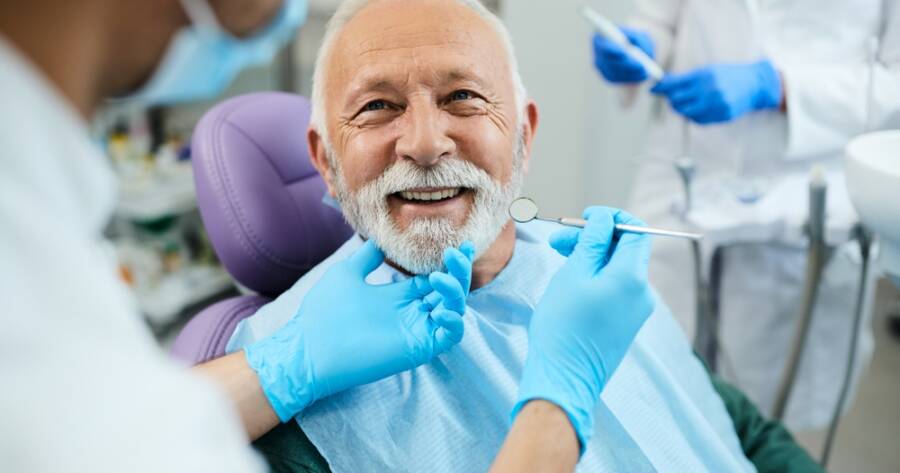
Maintaining oral health becomes increasingly important with age, making the choice of a dentist a key decision for seniors and their families. From managing common age-related conditions to ensuring comfort during visits, the right dental care can greatly impact overall well-being, independence, and quality of life for older adults.
The Importance of Dental Care for Seniors
Dental care is a critical aspect of overall health, especially for seniors. As individuals age, they become more susceptible to various oral health issues such as gum disease, tooth decay, and dry mouth. These conditions can lead to more severe health problems, including heart disease and diabetes, if not properly managed (source). Regular dental check-ups and maintaining good oral hygiene are essential preventive measures that can help seniors maintain their health and quality of life.
Common Oral Health Issues in Seniors
Seniors often face unique dental challenges due to factors like medication-induced dry mouth, receding gums, and physical limitations that affect their ability to maintain oral hygiene. Gum disease is particularly prevalent, affecting 68% of adults over 65, and can lead to tooth loss and other health complications (source). Additionally, dry mouth, which affects 30% of seniors, increases the risk of cavities and infections. Addressing these issues through regular dental visits and proper oral care is crucial for preventing further complications.
Choosing the Right Dentist for Seniors
When selecting a dentist for seniors, it’s important to choose someone experienced in geriatric dental care. These professionals understand age-related concerns such as gum disease, dry mouth, and tooth sensitivity, and can tailor treatments accordingly. A senior-friendly office should also be accessible, with features like easy entry, minimal stairs, and comfortable dental chairs. Location matters as well, since a nearby clinic makes routine visits easier and reduces travel-related stress.
Strong communication is equally important. A good dentist should take time to explain procedures, listen to concerns, and involve both patients and caregivers in care decisions. It’s also helpful to ask about services like denture care, preventive treatments, and emergency support to ensure comprehensive, ongoing dental care (source).
Oral Hygiene Tips for Seniors
Maintaining a daily oral care routine is essential for seniors to prevent dental issues. This includes brushing twice a day with fluoride toothpaste, flossing, and using fluoridated water. Seniors should also moderate their intake of sugary and acidic foods and beverages to protect their teeth and gums (source). For those with physical limitations, tools like electric toothbrushes can make oral care easier and more effective.
The Role of Caregivers in Senior Dental Care
Caregivers play a crucial role in supporting seniors with their dental care needs. They can assist with daily oral hygiene tasks, ensure regular dental appointments are kept, and help manage any resistance to oral care due to discomfort or cognitive issues. Caregivers should also be aware of the dental care services available in long-term care facilities to ensure seniors receive the necessary support (source).
Why You Should Learn More About Dentists for Seniors Today
Understanding the unique dental care needs of seniors is essential for maintaining their overall health and well-being. By choosing the right dentist and implementing effective oral hygiene practices, seniors can prevent common dental issues and improve their quality of life.
Caregivers and family members should also be informed about the resources and support available to assist seniors in maintaining their oral health. Staying informed about these topics can lead to better health outcomes and a more comfortable life for seniors.