

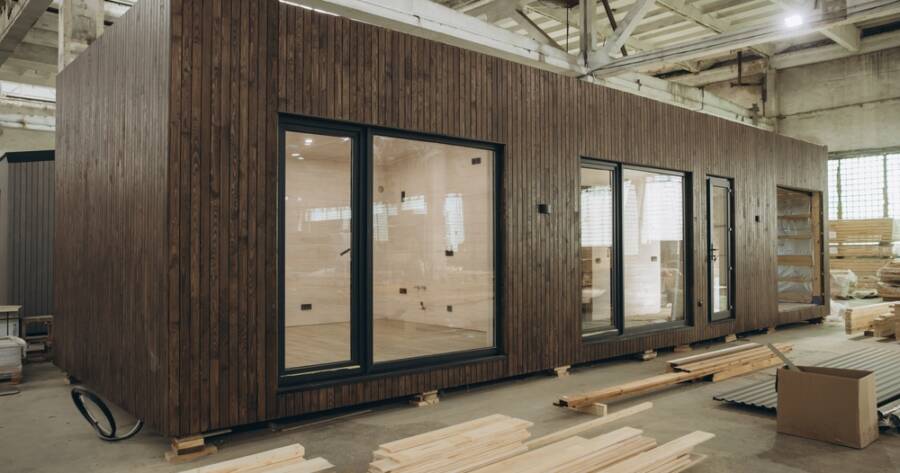
Manufactured and modular homes offer a compelling alternative to traditional site-built housing, with pricing structures that differ significantly from conventional real estate markets. Understanding current market values, regional variations, and long-term trends can help potential buyers make informed decisions.
Understanding Manufactured Home Pricing in Today’s Market
The manufactured housing market presents distinct pricing advantages compared to traditional construction. Recent data reveals that the average cost per square foot for a new manufactured home stood at $86.62, while site-built homes averaged $165.94 per square foot when excluding land costs (source). This substantial difference amounts to a savings of $79.32 per square foot, creating significant financial opportunities for homebuyers seeking affordable housing solutions.
For context, a 1,500-square-foot manufactured home would cost approximately $118,980 less than a comparable site-built structure based on these per-square-foot calculations (source). These cost efficiencies make manufactured housing an attractive option for first-time buyers, retirees, and families looking to maximize their housing budget without sacrificing quality or livability.
Recent Price Trends and Market Performance
The manufactured housing market has experienced notable appreciation in recent years. Between the second quarters of 2023 and 2024, house price indexes for prefabricated homes increased by 7.9 percent, with a quarterly increase of 3.2 percent from the first to second quarter of 2024 (source). This growth reflects strong demand and increasing recognition of manufactured homes as viable long-term housing investments.
The median price of manufactured homes for sale reached $231,000 in the second quarter of 2024, representing an increase of $1,000 from the previous year (source). Despite these increases, manufactured homes maintain their affordability advantage relative to traditional construction, with average costs rising at a compound annual growth rate of 7.4 percent compared to 6.1 percent for new single-family homes (source).
What Modular Home Costs Can Include
Modular homes follow a different pricing structure from manufactured homes because the factory-built sections must still be transported, placed on a permanent foundation, connected to utilities, and completed on the building site. Current 2026 estimates put modular-home construction at roughly $100 to $200 per square foot, meaning a 1,800-square-foot home may cost about $180,000 to $360,000 before expenses such as land and certain permitting costs are added (source).
Buyers should therefore look beyond the advertised price of the factory-built modules. Site preparation alone can add substantially to the budget, while foundation type, transportation distance, utility connections, customization, and local permit requirements can push the final price higher. Current estimates place modular-home foundations at roughly $7 to $30 per square foot, depending on the design and site conditions (source). When comparing modular and manufactured homes, the most useful figure is the completed project cost rather than the manufacturer’s base price.
Long-Term Value Appreciation and Investment Potential
Historical data demonstrates that manufactured homes have performed competitively with site-built properties in terms of value appreciation. From the first quarter of 2000 through the last quarter of 2024, the price index for manufactured homes increased by a cumulative 203.7 percent, slightly exceeding the 200.2 percent increase observed for site-built homes during the same period (source). This performance challenges historical perceptions about manufactured housing as a depreciating asset.
The shift toward real estate titling has contributed to improved market recognition and financial stability for manufactured homes. Since 2014, the percentage of manufactured homes with real estate titles has grown from 13 percent to 20 percent in 2023 (source). This trend indicates greater acceptance by lenders and investors, potentially enhancing resale values and financing options for owners.
Regional Pricing Variations and Market Differences
Manufactured home prices vary considerably across different regions of the country. The Manufactured Housing Survey provides comprehensive regional data on average sales prices, offering insights into geographic market differences (source). These variations reflect local economic conditions, land costs, regulatory environments, and regional housing demand.
Understanding regional pricing patterns helps buyers identify markets where manufactured homes offer the greatest value proposition. Some areas may present particularly favorable conditions due to lower land costs, supportive zoning regulations, or established manufactured housing communities. Prospective buyers benefit from researching state-specific data and average sales prices by region when planning their purchase decisions.
Monthly Housing Costs and Affordability Considerations
Beyond purchase prices, the ongoing cost of homeownership represents a critical factor in housing affordability. Owners of single-section manufactured homes report a median total monthly housing cost of $563, while multi-section home owners pay approximately $805 per month (source). These figures contrast sharply with the $1,410 median monthly cost for single-family homes, demonstrating substantial ongoing savings.
These lower monthly expenses result from multiple factors, including reduced property taxes, lower insurance premiums, decreased maintenance costs, and smaller utility bills. The cumulative effect of these savings over time can significantly impact household budgets, freeing resources for other financial priorities such as retirement savings, education expenses, or discretionary spending.
Data Collection and Market Analysis Methodology
Accurate pricing information relies on robust data collection and analysis. The Manufactured Housing Survey, sponsored by the Department of Housing and Urban Development and gathered by the Census Bureau, provides authoritative data on shipments, prices, and characteristics of new manufactured housing (source). This program produces monthly regional estimates and detailed annual statistics that inform market participants and policymakers.
The Federal Housing Finance Agency’s price indexes for manufactured homes draw from conventional mortgage data acquired by Fannie Mae and Freddie Mac, employing a weighted, repeat-sales statistical technique (source). This methodology ensures reliable tracking of price movements over time, though it focuses specifically on homes financed through conventional mortgages that meet certain criteria.
Factors Influencing Manufactured and Modular Home Prices
Multiple factors shape the final cost of both manufactured and modular homes. Home size, floor plan, number of sections or modules, and the level of customization all affect pricing. Larger multi-section manufactured homes generally cost more than single-section models, while modular homes can become more expensive as buyers add customized layouts, upgraded finishes, higher-efficiency systems, or more complex architectural features. Location also matters, since land prices, community fees, transportation distance, site accessibility, and proximity to urban areas can all influence the total budget.
Modular-home buyers also need to account for costs that may not be included in the factory price, such as site preparation, foundation work, crane placement, utility connections, permits, and on-site finishing. Manufactured-home buyers may face different expenses, including land-lease fees in a manufactured housing community, delivery, installation, skirting, and utility hookups. For both housing types, changes in material prices, labor costs, interest rates, financing availability, transportation expenses, and local building or zoning requirements can significantly alter the final amount paid.
Learn More About Manufactured Home Pricing
The manufactured housing market offers substantial financial advantages for buyers seeking affordable homeownership options. With significantly lower costs per square foot compared to site-built homes, reduced monthly housing expenses, and competitive long-term appreciation potential, manufactured homes represent a practical solution to contemporary housing challenges. Regional pricing variations and evolving financing options create diverse opportunities across different markets.
The growing acceptance of manufactured housing, evidenced by increasing rates of real estate titling and strong price performance, suggests continued market maturation and stability. For individuals and families evaluating housing alternatives, understanding manufactured home pricing structures, market trends, and regional differences provides essential information for making sound financial decisions. The combination of initial affordability and long-term value retention makes manufactured housing worthy of serious consideration in today’s challenging real estate environment.